Over a decade in luxury hospitality. 100+ resorts personally visited. Here's where we would actually go to swim with mantas.
A wide shadow slides under you, then another. The mantas are feeding, rolling through the plankton just below your fins. Nobody on the boat says a word for the whole ride back.
Snorkeling and wildlife in the Maldives is the reason many people make the trip. This guide is for couples, families and nature lovers who want to see manta rays, whale sharks, turtles and dolphins with their own eyes, and to do it in a way that protects the reef.
In this post we cover where and when to see manta rays, whale sharks in South Ari, the best resorts for snorkeling and wildlife in the Maldives, reef etiquette and a simple season guide.
Why Snorkeling & Wildlife in the Maldives Is Worth the Trip
The water is warm all year, and many resorts sit right on a house reef. The water stays around 27 to 30°C, so most people snorkel without a wetsuit. You can walk off the beach and see reef fish, sea turtles and baby reef sharks within minutes. The Maldives is home to a huge range of marine life. Farther out, boat trips bring you to manta feeding sites, whale shark areas and spinner dolphin pods.
Manta Rays in the Maldives
Hanifaru Bay, Baa Atoll
Hanifaru Bay is the best-known manta site in the Maldives. From May to November, plankton builds up in the nutrient-rich waters of this small bay and mantas arrive to feed, sometimes in large numbers. It is a popular place for snorkelers, and the bay draws many marine species, but these majestic creatures are the stars. Sightings are most likely around certain tides, often near the new and full moon, but they are never guaranteed.
Hanifaru is a protected area inside the Baa Atoll UNESCO Biosphere Reserve, protected by the Maldivian government to keep this fragile ecosystem and the mantas' natural environment healthy. Visits are snorkel only, guests swim with a guide, and visitor numbers are limited. Touching or chasing the mantas is not allowed.
Four Seasons Resort Maldives at Landaa Giraavaru has worked with the Manta Trust since 2006. Guests can sign up for a "Manta On Call" service. When mantas show up, the phone rings, and you head to the bay by boat, about 20 minutes away. During the 2025 season, the team logged more than 4,000 reef manta sightings.
Mantas Beyond Hanifaru
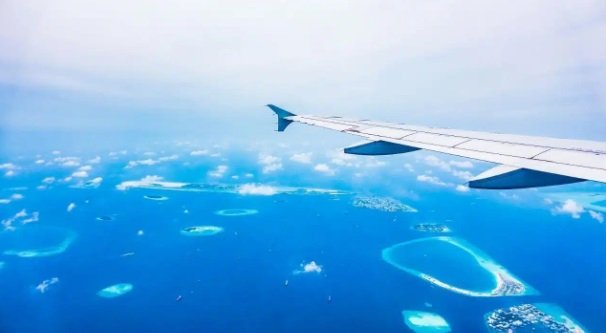
Mantas live in the Maldives all year. Most are reef mantas (Manta Alfredi), and larger oceanic mantas are sometimes seen on a seasonal migration through the southern atolls. The atolls sit in the Indian Ocean, where channels open to the open ocean and bring in plankton across the archipelago. They move with the monsoon winds, so the best side of each atoll changes with the season. Your resort's marine team will know where they are feeding that week. Ari Atoll, North Malé and South Male have well-known manta cleaning stations, where mantas pause to let small fish clean them.
Whale Sharks in South Ari Atoll
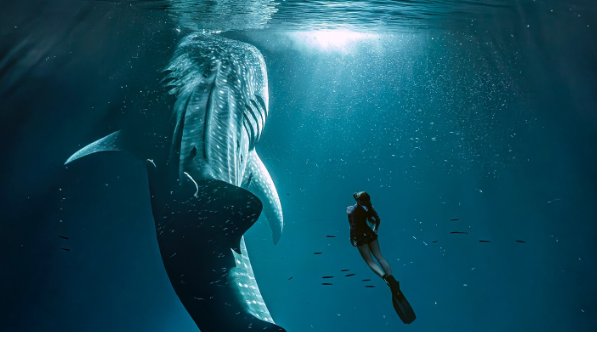
South Ari has a marine protected area where whale sharks can be seen all year. South Ari is an excellent destination for whale sharks. These gentle giants feed on plankton and often cruise near the surface, so you can see them in their natural habitat on a snorkel trip.
Simple rules keep the sharks and swimmers safe: keep your distance, never touch, never block their path and skip flash photos.
Resorts we would book for whale sharks: LUX* South Ari Atoll and Conrad Maldives Rangali Island.
Can't decide between manta season in Baa and year-round whale sharks in South Ari? Tell our concierge team your travel month, and we will suggest the resort with the best odds for the wildlife you most want to see.
Best Maldives Resorts for Snorkeling & Wildlife
Four Seasons Resort Maldives at Landaa Giraavaru, Baa Atoll
Home to the Manta Trust team and the "Manta On Call" service, with fast access to Hanifaru Bay in season.
Best for: manta lovers and families who want to learn from marine biologists.
Soneva Fushi, Baa Atoll
Soneva Fushi is set in the Baa UNESCO Biosphere Reserve, with access to many reef sites, including Hanifaru Bay in season.
Best for: nature-loving families and couples.
LUX* South Ari Atoll
LUX* South Ari Atoll sits close to the whale shark area in South Ari, with snorkel trips that head out to find them.
Best for: travelers whose top goal is a whale shark swim.
Conrad Maldives Rangali Island, South Ari Atoll
Two islands, a long house reef and easy access to South Ari's whale shark waters.
Best for: couples and families who want reef life plus plenty of dining choices.
Huvafen Fushi, North Malé Atoll
Huvafen Fushi has a vibrant house reef you can snorkel straight from the beach, a short speedboat ride from the airport. In South Malé, OZEN Reserve Bolifushi is another easy speedboat option for reef time.
Best for: snorkelers who want great reef time without a seaplane.
Hurawalhi Maldives, Lhaviyani Atoll
Hurawalhi has spinner dolphins nearby, overwater villas above the lagoon and an undersea restaurant where you dine with the reef fish.
Best for: couples who want wildlife by day and a dinner to remember by night.
Six Senses Laamu, Laamu Atoll
Six Senses Laamu sits in a quiet southern atoll with sea turtles, seagrass meadows and a strong marine conservation team, the Maldives Underwater Initiative.
Best for: travelers who want to learn about the reef and swim on it.
Other Wildlife You Can See in the Maldives
Sea turtles: green and hawksbill turtles are common on house reefs.
Reef sharks: baby blacktip reef sharks often swim in the shallows near the beach. They are shy and harmless.
Spinner dolphins: pods of 40 to 100 live in the Maldives all year and are most active in the late afternoon. Sunset dolphin cruises are popular in Lhaviyani and Baa.
Reef fish: parrotfish, clownfish, moray eels and rays are easy to spot on most house reefs.
Eagle rays and grey reef sharks: look for them on boat trips to channels and outer reefs.
Glowing plankton: on dark, moonless nights, bioluminescent plankton can make the shoreline sparkle blue. It is never guaranteed, so ask staff if it has been seen lately.
Scuba Trips for Maldives Wildlife
Snorkeling shows you a lot, but scuba takes you to the channels and pinnacles where bigger fish gather. Most luxury resorts have their own scuba center.
New to scuba: book a try-scuba session in the lagoon or a beginner course at your resort's scuba center.
Certified scuba fans: an Advanced Open Water certification helps for deeper sites. Ask about drift trips in the channels (called kandus) and pinnacles (called thilas). Banana Reef in North Malé and Maaya Thila in North Ari are two well-known sites.
Flying after scuba: leave 18 to 24 hours between your last scuba session and your flight, and that includes seaplanes.
Snorkeling & Wildlife Etiquette in the Maldives
Follow the Manta Trust's code of conduct, written for swimmers and tourism operators.
Wear reef-safe sunscreen or, better, a rash guard.
Never stand on, touch or kick the coral, and keep off the seabed so you do not stir up sand.
Check sea conditions with the resort's marine team before you head out.
Do not chase, touch or feed any animal.
Skip flash photos near mantas, sharks and turtles.
Wear a life vest if you are not a strong swimmer.
Take a guided snorkel on your first day to learn the reef and the currents.
Best Time for Manta Rays, Snorkeling & Wildlife in the Maldives
What you want to see | Where | When |
|---|---|---|
Manta feeding groups | Hanifaru Bay, Baa | May to November |
Manta cleaning stations | Ari and Malé atolls | Year-round, best side changes with the monsoon |
Whale sharks | South Ari | Year-round |
Spinner dolphins | Lhaviyani, Baa and most atolls | Year-round, late afternoon |
Sea turtles and reef fish | House reefs across the Maldives | Year-round |
December to April brings calmer seas and clearer water for reef snorkeling. May to November is wetter, with more plankton, which is what draws the mantas.
FAQ – Snorkeling & Wildlife in the Maldives
Is it safe to swim with manta rays?
Yes. Manta rays are filter feeders and, unlike stingrays, have no venomous barb. These amazing creatures are gentle and curious. Follow your guide, keep your distance and never touch them.
Do I need scuba gear to see mantas or whale sharks?
No. Many of the best sightings happen at the surface. At Hanifaru Bay, scuba is not allowed and visits are snorkel only.
Can kids snorkel in the Maldives?
Yes. Calm lagoons and shallow house reefs are great for kids. Many resorts offer kids' snorkel lessons and life vests.
Are manta sightings guaranteed?
No. Mantas are wild animals. Staying five nights or more in season gives you the best chance.
Plan Your Trip for Manta Rays, Snorkeling & Wildlife in the Maldives
If your last trip was all pool and beach, this is the one to change that. The right resort puts you minutes from the reef and close to the wildlife you most want to see. Talk to our concierge team, pick your season, and book your stay.
“me and my family had a blast we had the time of our lives”
Bassam M. | Read full review
ABOUT THE AUTHOR
Meet Sue, Vue's co-founder and the curator behind the collection. With over a decade in luxury hospitality and more than 100 resorts personally visited, she brings firsthand experience to every recommendation.
Not Sure Which Resort Is Right for You?
We offer complimentary concierge consultations by phone or email. Let our team know your preferences, and get a personal recommendation tailored to your wants and needs.